Image Carousel with 6 slides
A carousel is a rotating set of images. Use the previous and next buttons to change the displayed slide
-
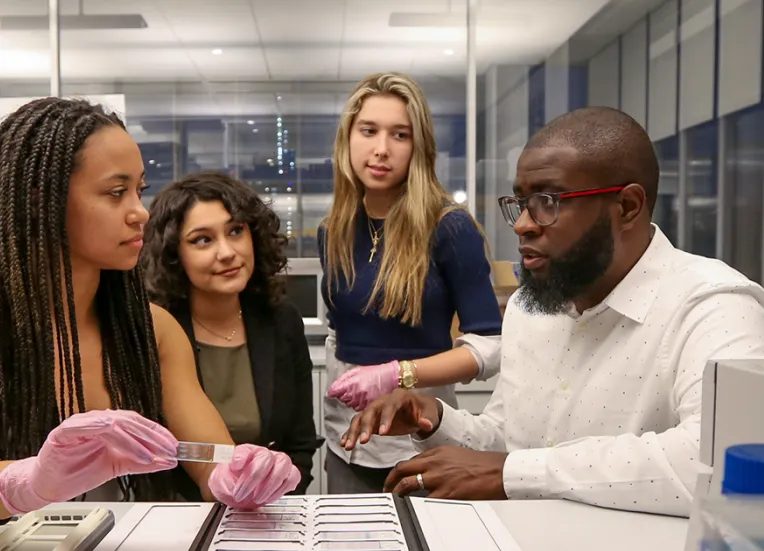
Slide 1: Kavli-Grossman Scholar Ishmail Abdus-Saboor with lab members
-
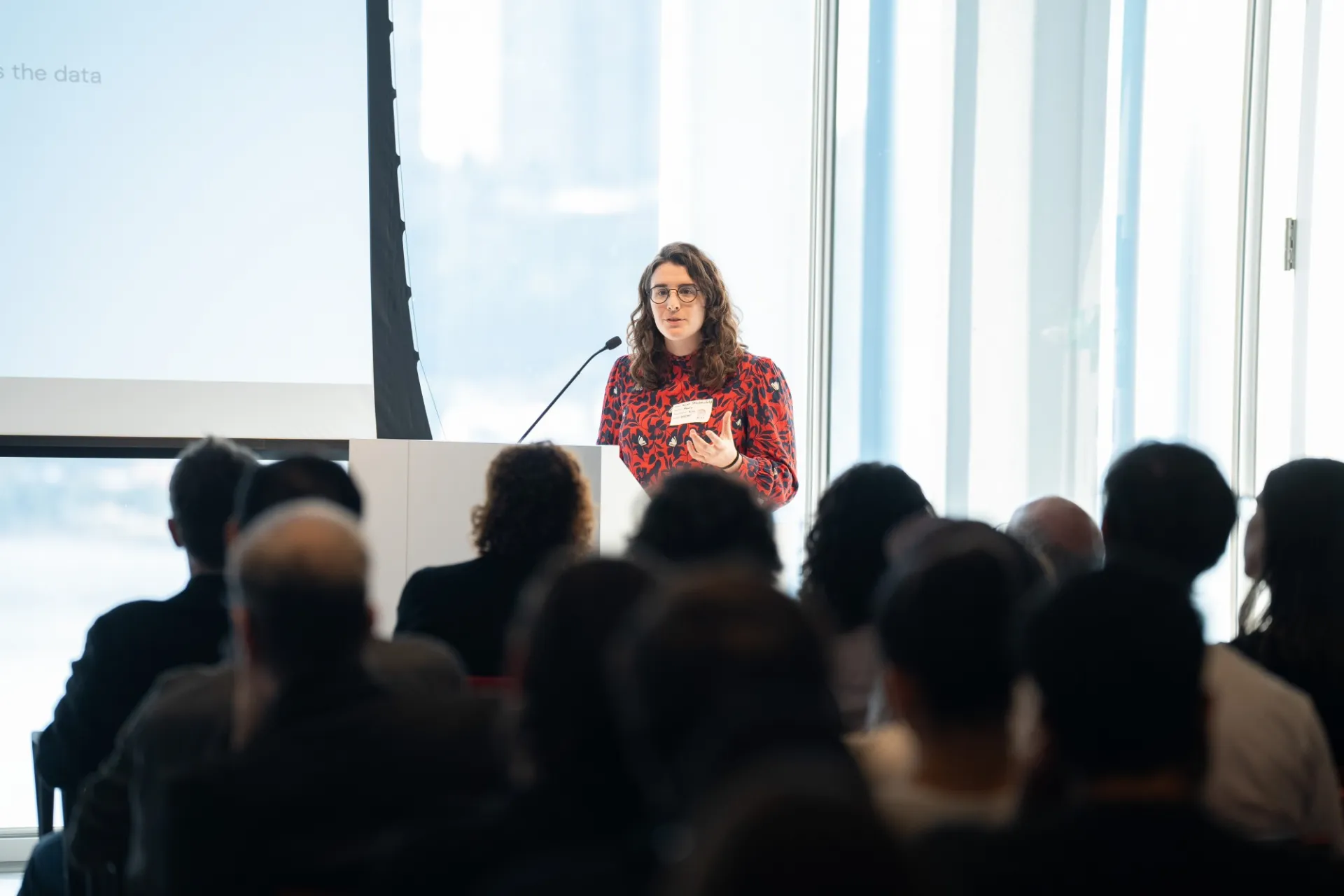
Slide 2: Kavli Faculty Scholar Kim Stachenfeld
-
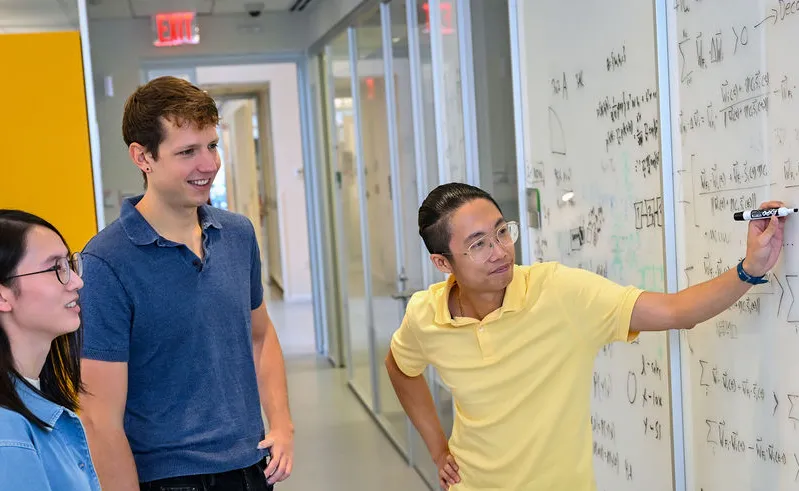
Slide 3: Kavli graduate students Minni Sun, David Clark, and Tuan Nguyen
-
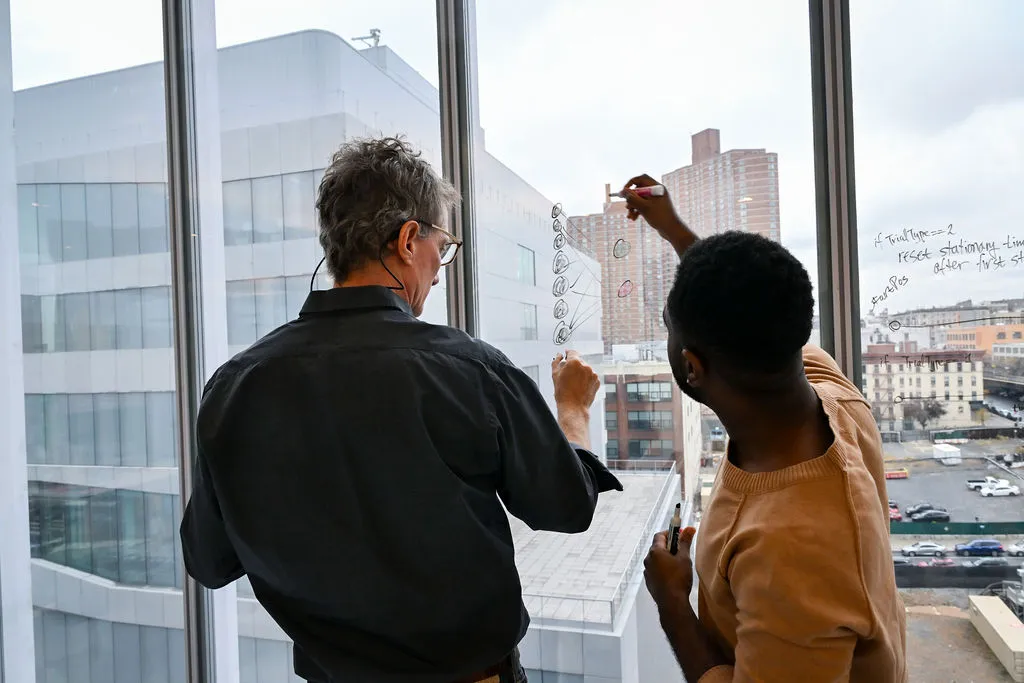
Slide 4: Kavli Member Mark Churchland with graduate student Elom Amematsro
-
Slide 5: Kavli Member Lea Dunker with students
-
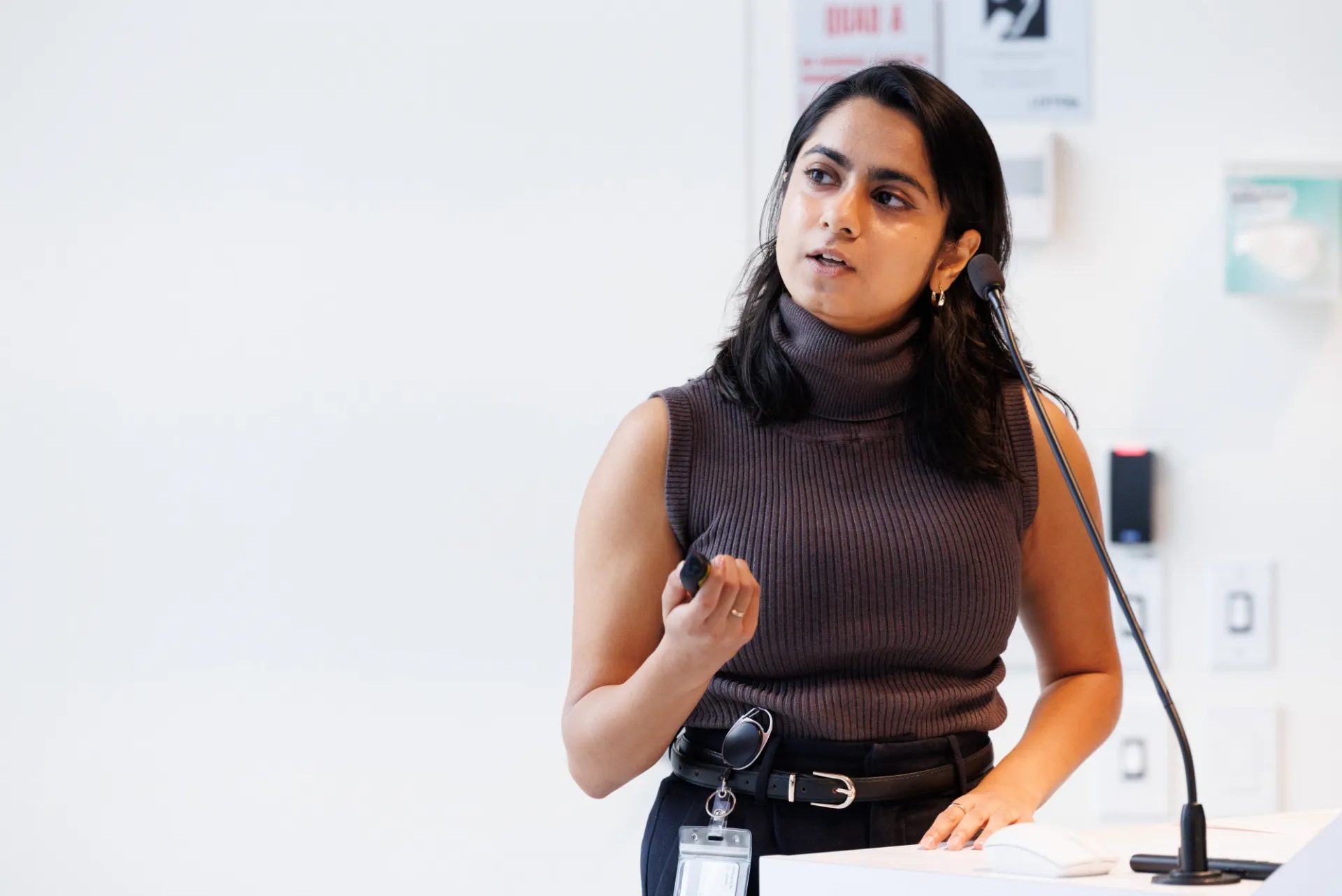
Slide 6: Kavli graduate student Ishani Ganguly
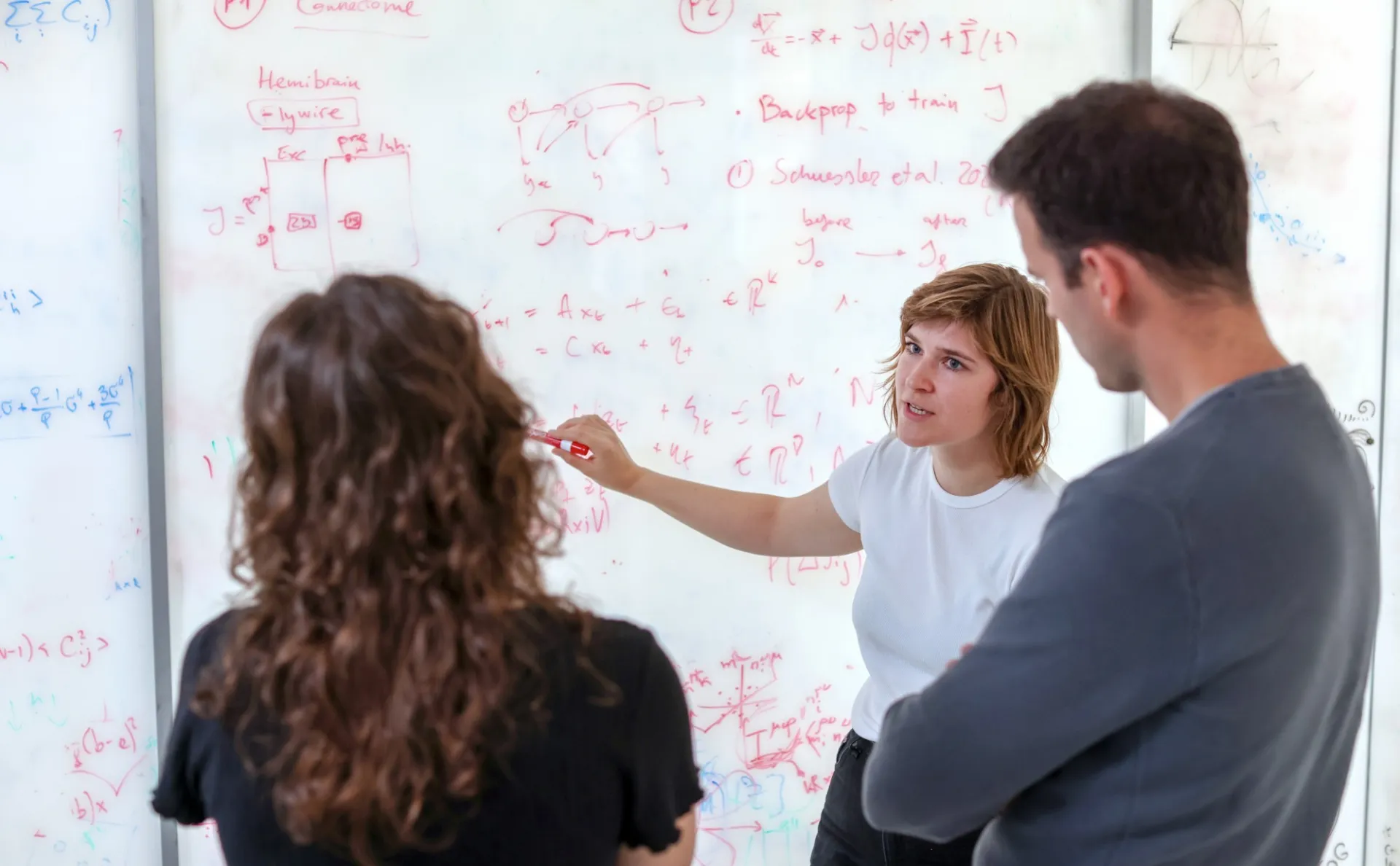
The Kavli Institute Scholars program supports faculty members and trainees, focusing on new initiatives that combine theoretical and experimental approaches to address important questions in neuroscience. Kavli Institute Faculty Scholars are selected from among the Kavli Institute Faculty by the Institute's co-directors, in consultation with an external advisory group. Faculty recipients are appointed for a three-year period, on a rotating basis, to ensure flexibility in funding support across the range of relevant faculty at critical stages of their research programs. Postdoctoral and graduate student Kavli Institute Scholars are chosen by the co-directors and are appointed for a period of two to four years. Our current group of scholars are featured below.
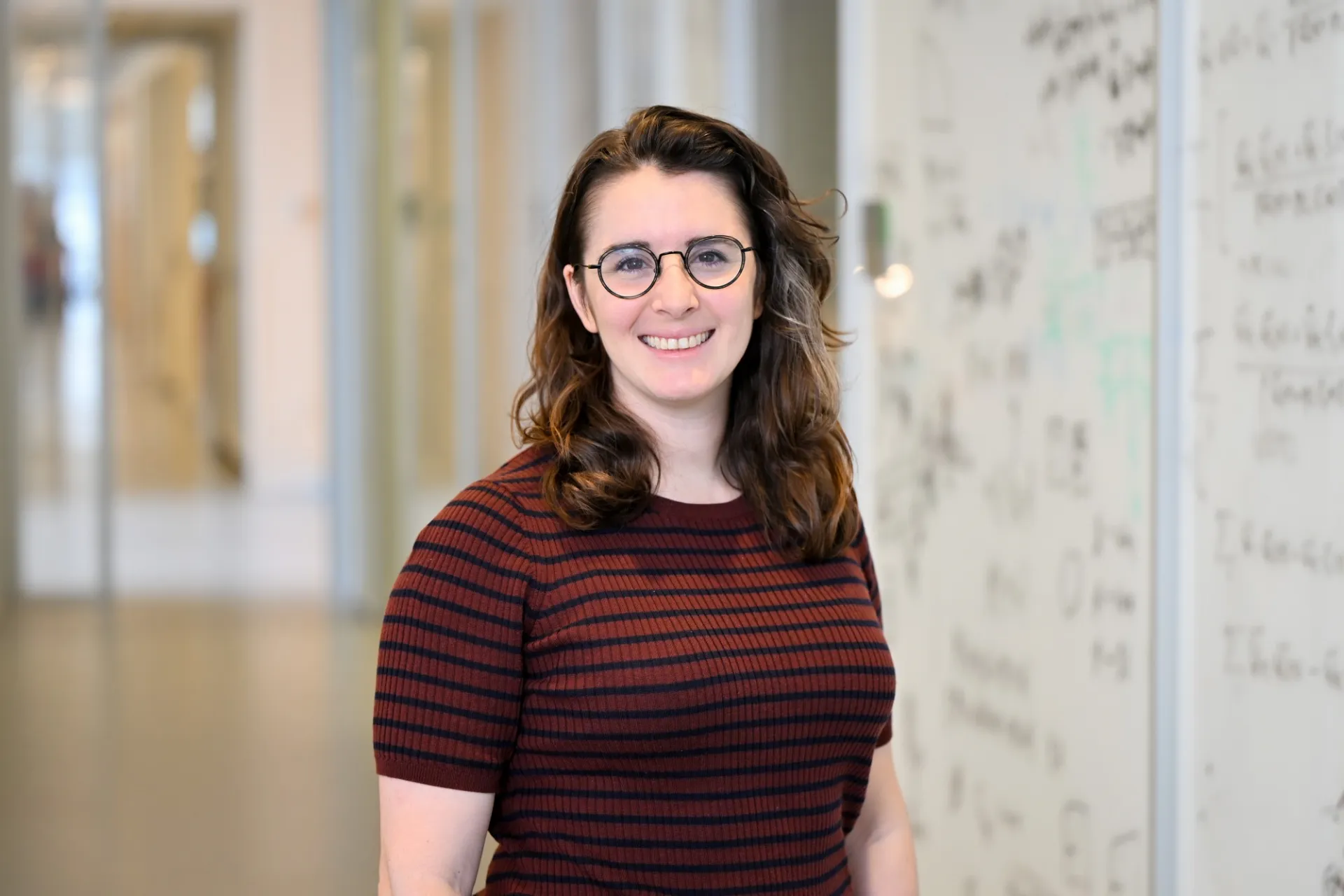
Kim Stachenfeld is a Senior Research Scientist at Google DeepMind in NYC and Affiliate Faculty at the Center for Theoretical Neuroscience at Columbia University. She also collaborates with ARNI, the NSF AI Institute for Artificial and Natural Intelligence, led by Columbia Engineering. Her research covers topics in Neuroscience and AI. On the Neuroscience side, she studies how animals build and use models of their world that support memory and prediction. On the Machine Learning side, she works on implementing these cognitive functions in deep learning models.
Stachenfeld's work has been featured in the Atlantic, Quanta Magazine, Nautilus, and MIT Technology Review. In 2019, she was named one of MIT Tech Review’s "Innovators Under 35" for her work on predictive representations in the hippocampus. She completed her PhD in Neuroscience at Princeton University, where she was advised by Matthew Botvinick, and received bachelor's degrees from Tufts University in Mathematics (BA) and Chemical & Biological Engineering (BS).
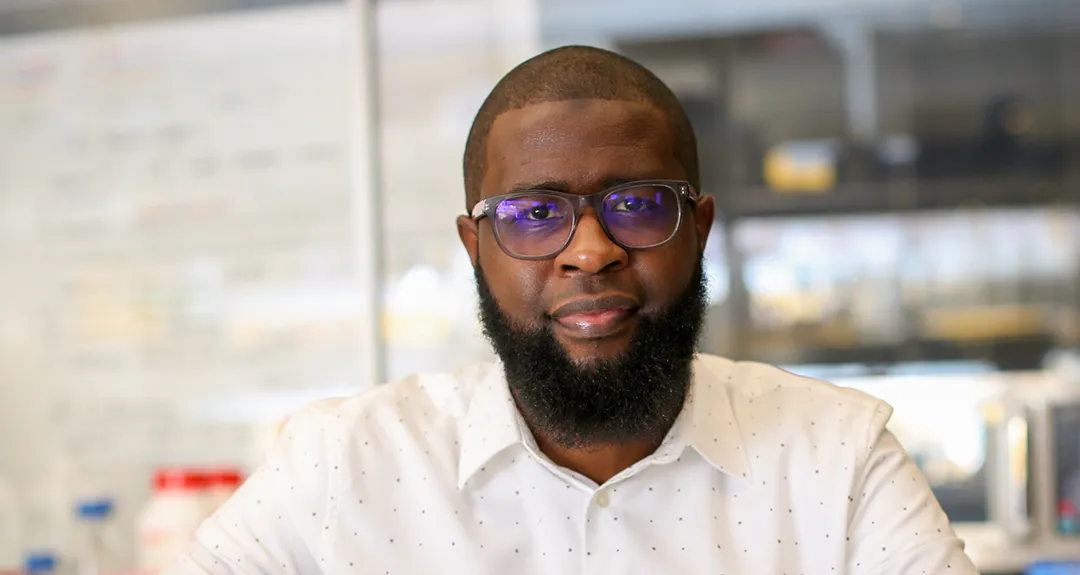
Ishmail Abdus-Saboor is an Associate Professor of Biological Sciences at Columbia University and a Freeman Hrabowski Scholar at the Howard Hughes Medical Institute. He studies how the nervous system encodes touch, from soft gentle caresses to itchy mosquito bites to harsh painful stimulation. And he has been opening new ground in sensory science by uncovering skin-to-brain circuits that underlie rewarding social touch. His research lab uses systems neuroscience, computation genetics, and mathematics to link animal behavior with genes and neural circuits. In 2024, he was named in a list of “50 Scientist that Inspire” by Cell Press and was the recipient of a One Mind Rising Star Award. He also received the NIH Director's Pioneer Award in 2025, which supports outstanding scientists who propose creative, novel approaches to major scientific challenges. Abdus-Saboor holds a PhD degree in Cell and Molecular Biology from the University of Pennsylvania and received his bachelor’s degree in Animal Science from North Carolina A&T State University.
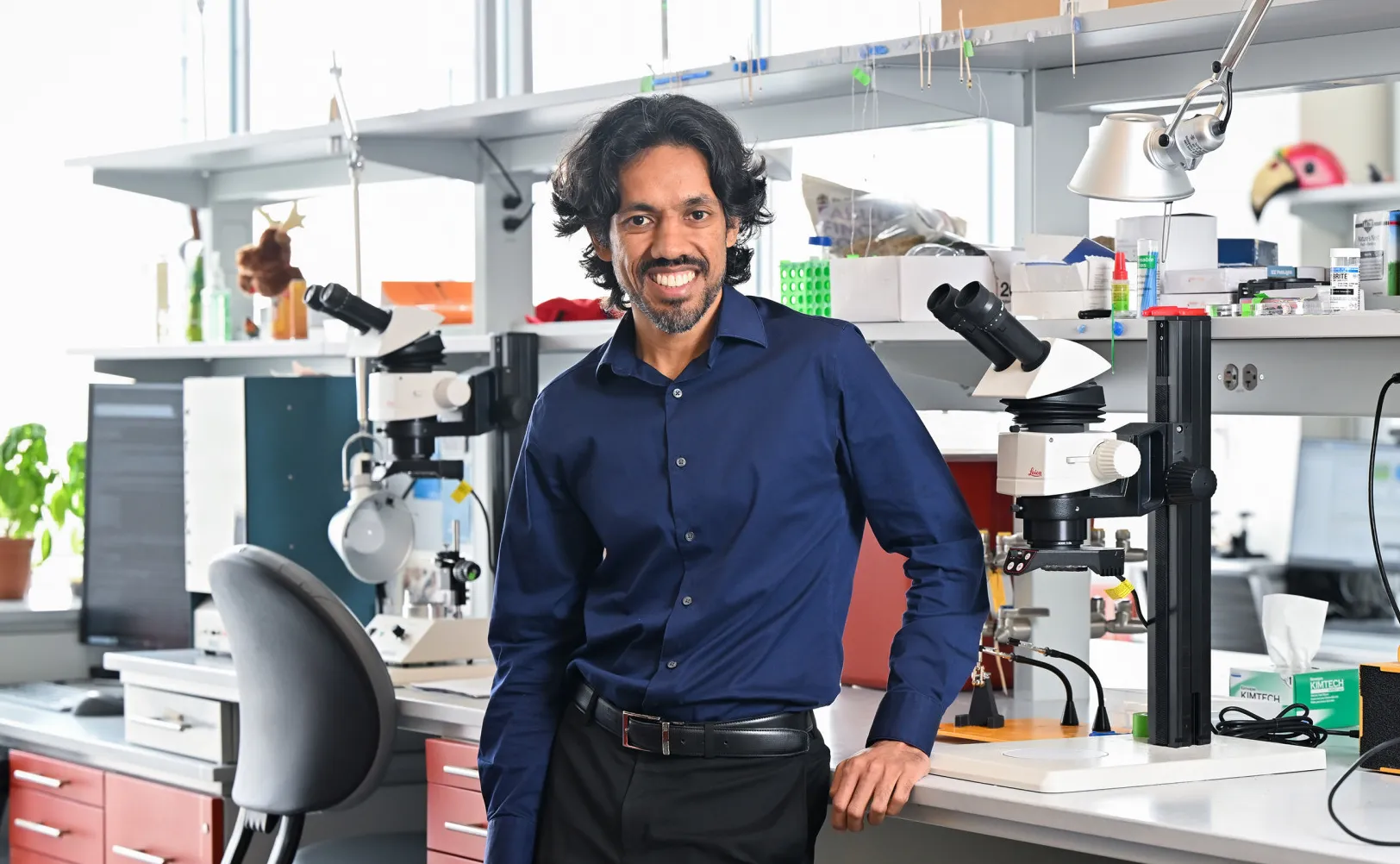
Vikram Gadagkar is an Assistant Professor of Neuroscience at Columbia University and a Freeman Hrabowski Scholar at the Howard Hughes Medical Institute. His research centers on how the brain learns skills and evaluates behaviors—both self-generated and the behaviors of others. A deeper cellular and neurochemical understanding of these processes could provide leads for treating neurological disorders such as Parkinson's disease and autism. His research lab studies songbirds, exploring how young male finches learn mating songs and how female finches evaluate those songs. He has earned numerous awards and honors, including the NIH Director’s New Innovator Award. Gadagkar received a PhD in Physics from Cornell University, an MS in Physics from the Indian Institute of Science, and a BS in Physics, Chemistry, and Mathematics from Bangalore University.
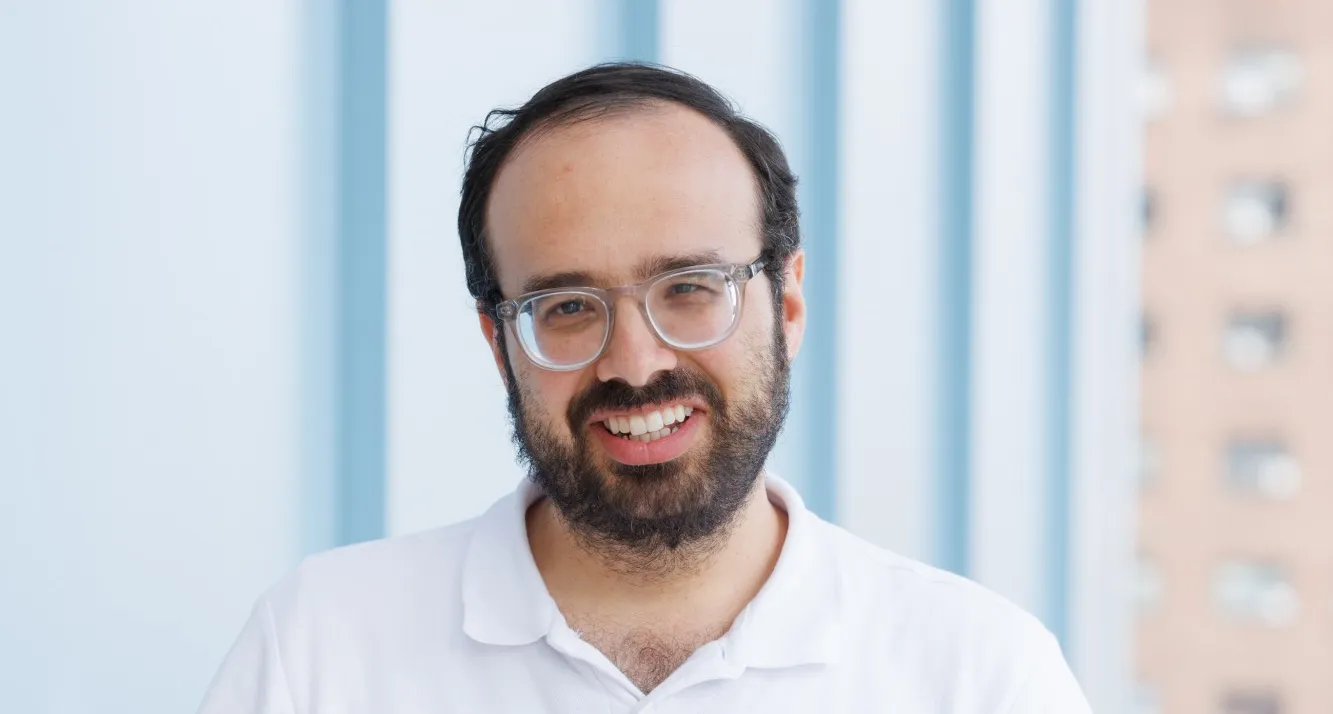
Salomon Muller explores the computational principles underlying how the cerebellum and associated neural structures form and use internal models to improve sensory encoding and refine behavioral control. Currently, Salomon is developing computational models to understand how the Dorsal Cochlear Nucleus learns to modulate its response to predicted auditory signals, effectively smoothing out responses to expected sounds. His work also examines the mechanisms through which cerebellar wiring during critical developmental periods addresses credit assignment challenges—determining how specific neural connections contribute to adaptive learning through plasticity in post-critical period. Muller collaborates with experimental neuroscientists to bridge theoretical models and cerebellar physiology, contributing to a deeper understanding of cerebellar function across sensory and motor domains.
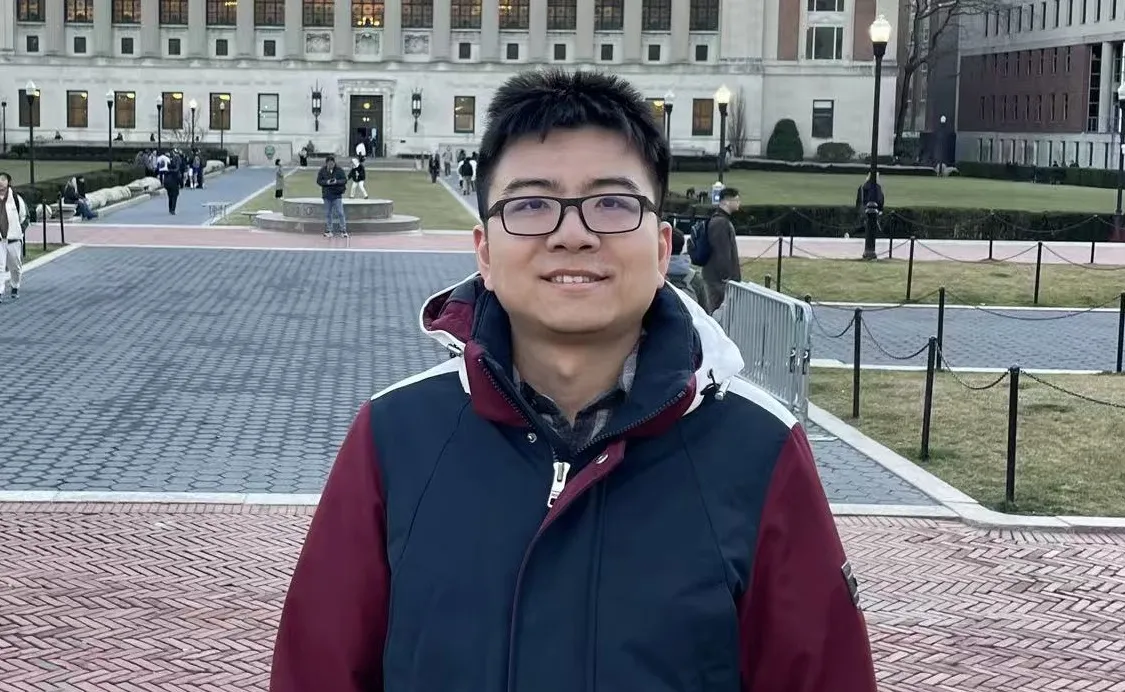
Bin Wang's research focuses on neural representations and circuit mechanisms that support learned behavior. His work examines how neural circuits across multiple brain regions construct internal models of the world from experience and flexibly deploy them in novel situations. He is currently investigating the role of the hippocampus in forming structured neural representations that facilitate compositional generalization, and developing statistical methods to infer recurrent neural circuits from combined neural and behavioral data.
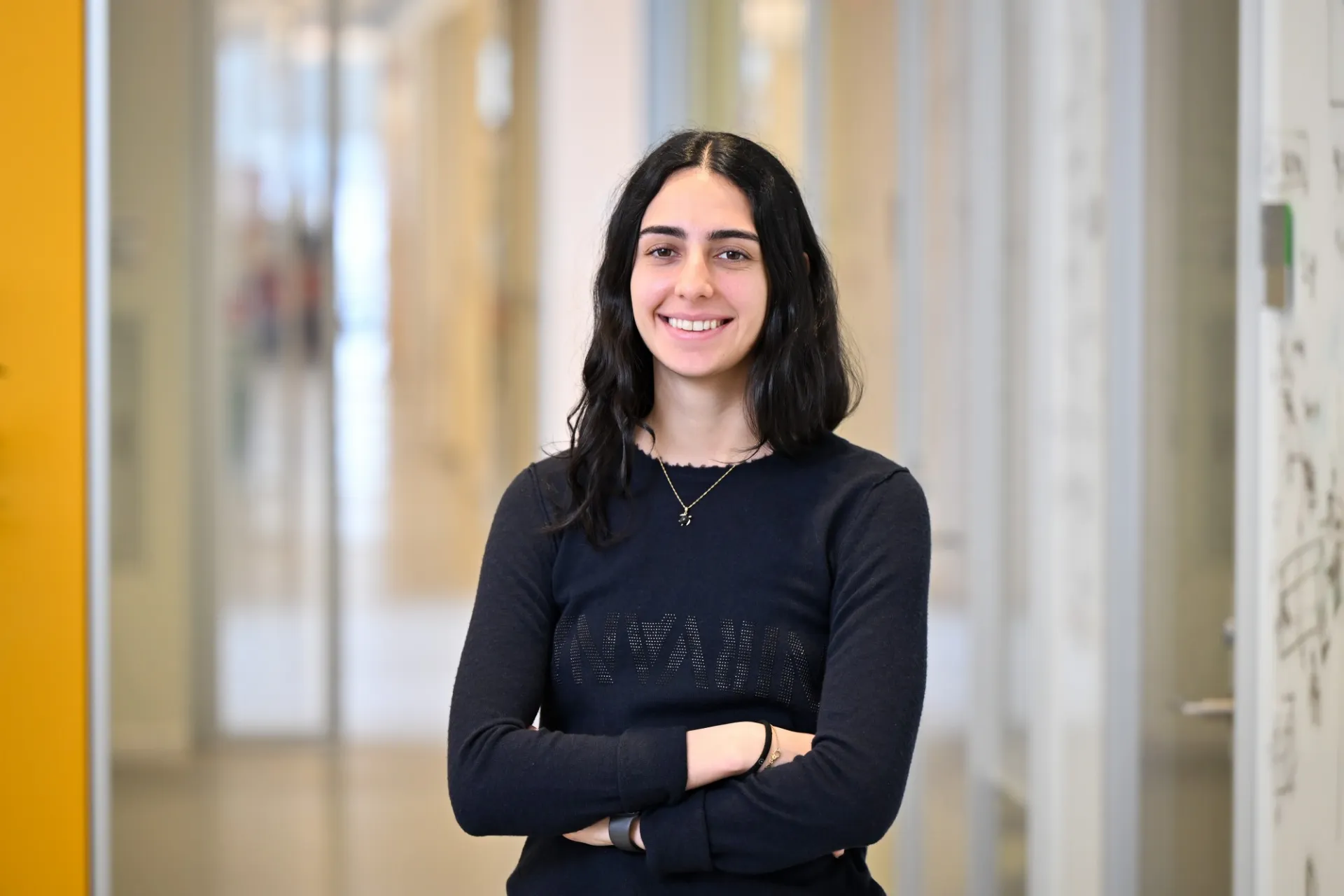
Tala Fakhoury is a PhD student studying reasoning, planning, and working memory. She combines computational modeling with cutting-edge electrophysiology, using Neuropixels technology to record from thousands of neurons in the prefrontal cortex. Her goal is to uncover fundamental insights into how humans tackle complex decision-making and problem-solving. Fakhoury earned her undergraduate degree in Biomedical Engineering and Neuroscience at Duke University, followed by a master's in Computational Neuroscience at the University of Pennsylvania, under the mentorship of Dr. Dani Bassett.
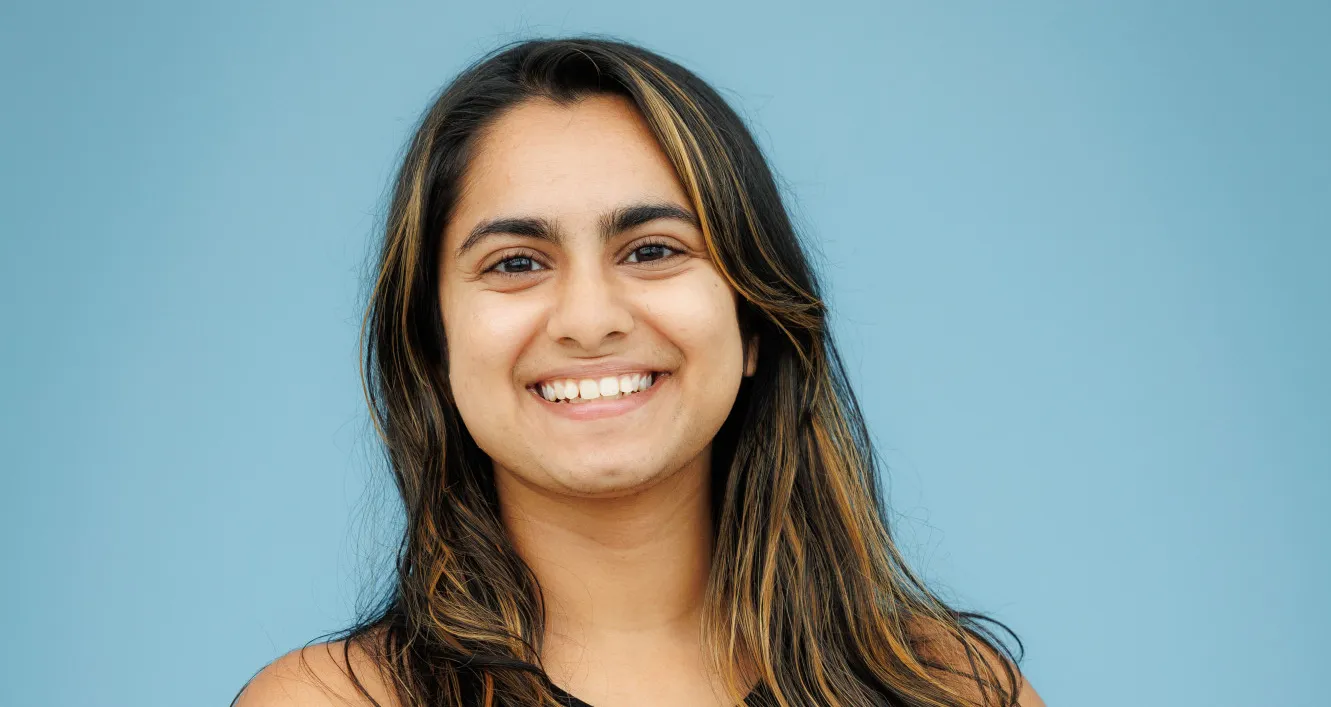
Ishani Ganguly is a PhD student in the Neurobiology and Behavior program interested in understanding how brains combine multiple senses during learning. She is using computational modeling as well as analyzing experimental and behavioral data to understand the mechanisms underlying multisensory learning in the Drosophila mushroom body. Prior to joining Columbia’s Center for Theoretical Neuroscience, Ganguly graduated from Caltech with a degree in Computation and Neural Systems.
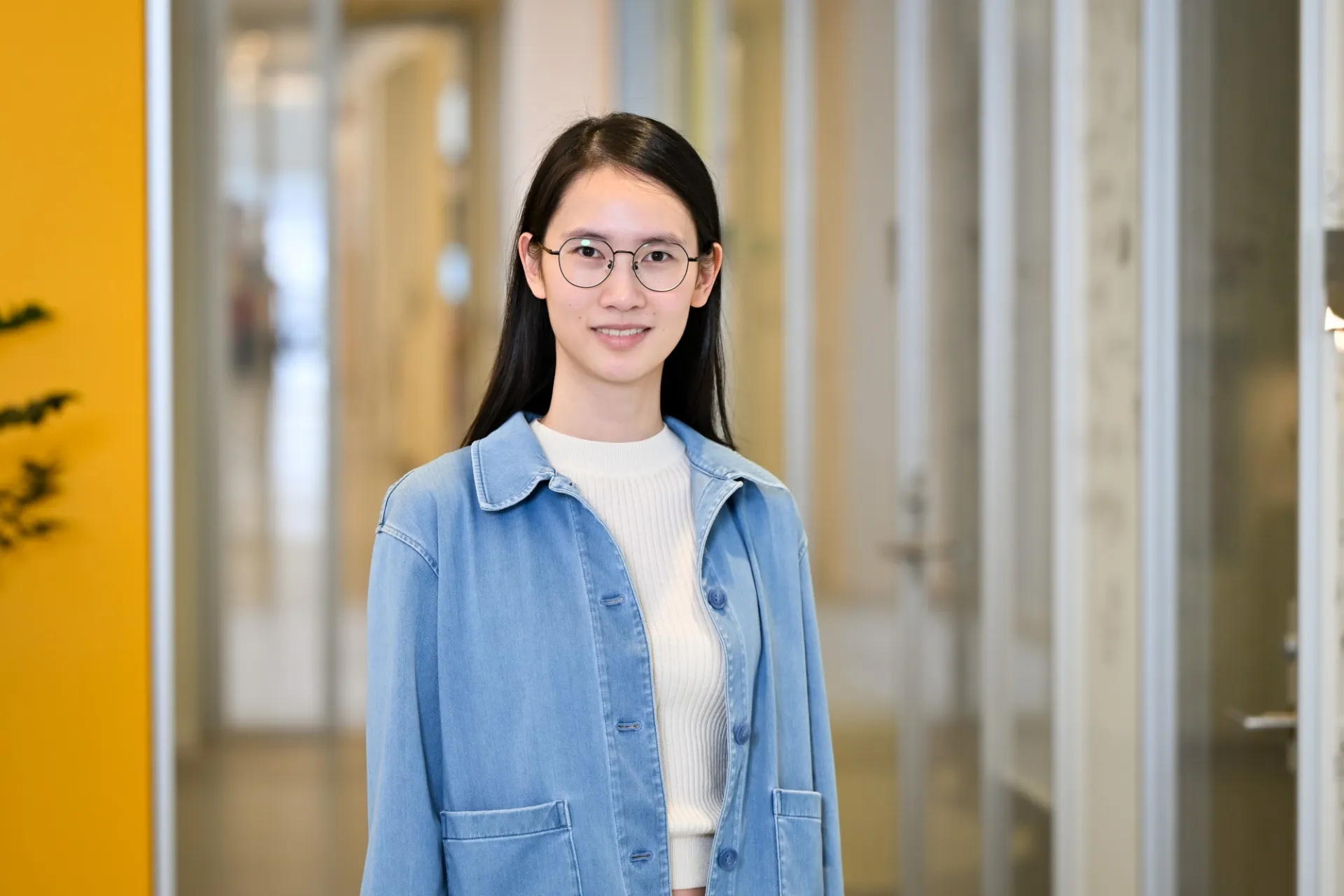
Minni Sun studies navigational algorithms in fruit flies. She combines data analysis and neural circuit modeling to investigate neural mechanisms underlying flexible navigation strategies. Sun completed her undergraduate studies in Machine Intelligence at Peking University and is currently a PhD candidate in the Center for Theoretical Neuroscience at Columbia University.
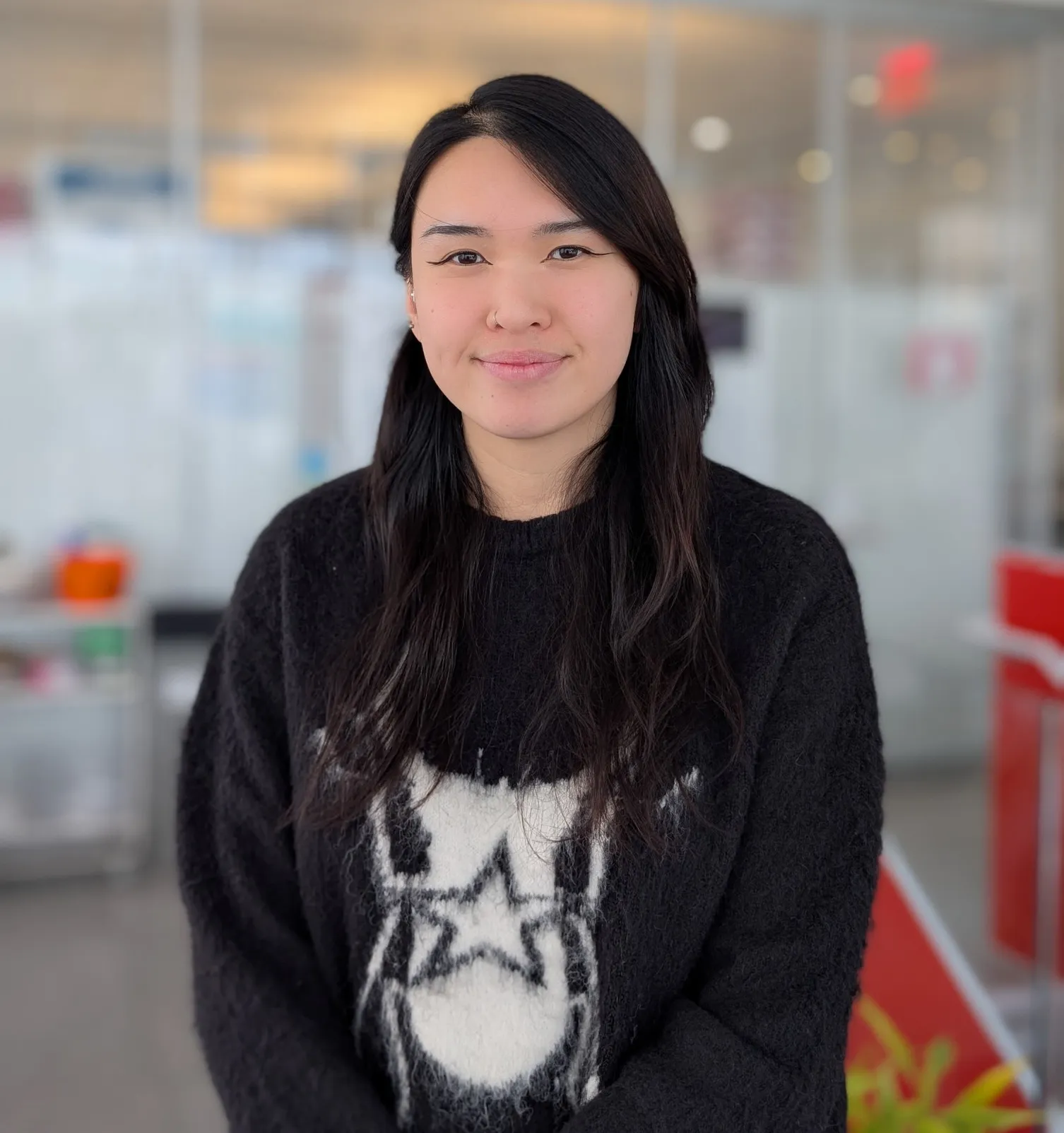
Sharon Su, a PhD candidate in the Neurobiology and Behavior program, combines experimental and theoretical approaches to study the neural mechanisms underlying flexible navigation in Drosophila. Prior to joining the Center for Theoretical Neuroscience, Su completed their undergraduate degree in Computational Neuroscience at the University of California, Santa Barbara.
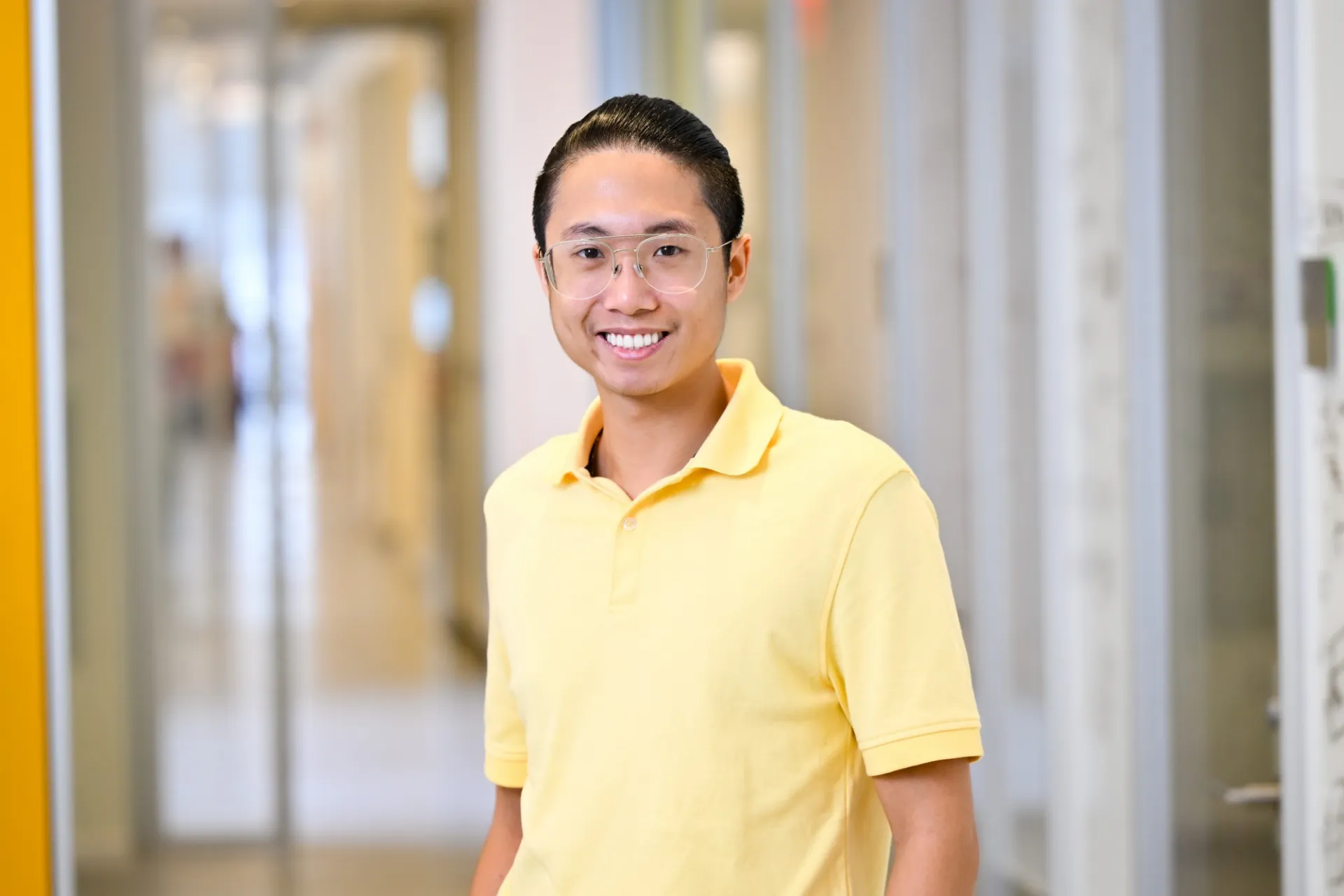
Tuan Nguyen is a PhD student studying the connectivity and sensory feature encoding of the mammalian primary visual cortex and the development of these properties in the absence of visual experience. Through statistical analyses of biologically-plausible theoretical models, he seeks to elucidate the mechanisms by which visual inputs and behavioral state signals are integrated and modulate neural population responses. His research also explores computational models of cortical feature map development, examining how experience-dependent synaptic plasticity drives feature selectivity prior to eye-opening. Nguyen completed his undergraduate studies in Physics at MIT.